Deck Design Trends for 2026: Build a Beautiful and Practical Outdoor Escape
Deck design trends for 2026 demonstrate a transition toward crafting sophisticated and versatile outdoor living spaces. Green materials, forward-thinking designs, and advanced technology are taking center stage. Property owners aim to elevate their outdoor living while emphasizing environmental responsibility. Versatile furniture and well-defined areas are growing increasingly important. As these elements come together, a deeper exploration reveals how to transform any deck into a personal retreat. What key features should one prioritize for maximum enjoyment?
Top Sustainable Materials for Eco-Friendly Deck Design
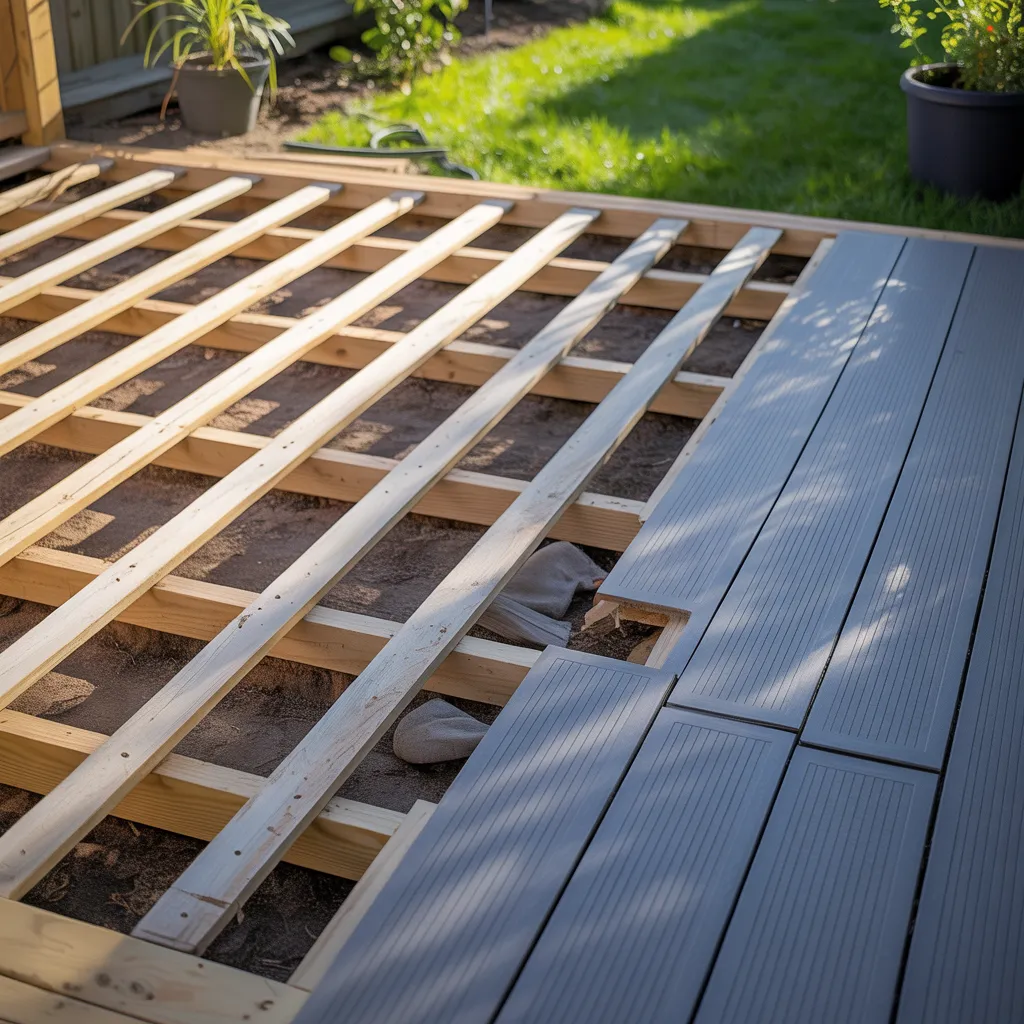
As homeowners increasingly prioritize sustainability, the choice of materials for eco-friendly deck design has gained significant attention. Repurposed wood, commonly obtained from demolished buildings or used pallets, has emerged as a widely preferred material, offering both aesthetic charm and environmental benefits. This material not only reduces waste but also provides durability when treated properly.
Composite decking, crafted from a combination of wood fibers and recycled plastics, is a popular option. It is virtually maintenance-free and rot-resistant, making it perfect for exterior applications. Bamboo wood, celebrated for its quick regeneration and eco-friendly properties, has risen as a top choice, providing a stylish alternative that is also environmentally friendly.
Additionally, eco-friendly hardwoods, particularly mahogany or teak, are highly regarded for their natural beauty and longevity. These choices embody a emphasis on environmentally responsible lifestyles, giving homeowners the ability to design welcoming outdoor areas without harming the environment.
Innovative Layouts for Outdoor Living Spaces
Creative arrangements are revolutionizing open-air living environments, empowering property owners to optimize usability while enhancing aesthetic appeal. Currently, architects are concentrating on multi-zone layouts that designate specific sections for eating, unwinding, and culinary activities. Through the addition of elements like integrated seating solutions and fire installations, these areas encourage gatherings while preserving a spacious atmosphere.
Additionally, the application of diverse materials and textures produces visual intrigue and influences movement throughout the area. Curved walkways and tiered designs are growing in demand, as they contribute dimension and depth to outdoor settings. In addition, weaving in natural features such as water features or vertical gardens can naturally bridge inside and outside areas.
Finally, integrating flexible furniture pieces provides flexibility, catering to events of all sizes. Altogether, these forward-thinking arrangements not only cater to functionality but also elevate the overall experience of outdoor living, turning backyards into elegant sanctuaries.
Color Trends That Will Elevate Your Deck Design
Color holds significant importance in deck planning, shaping the atmosphere and elevating the visual appeal. In 2026, popular color trends include natural hues, such as warm terracotta and rich olive green, which inspire feelings of calm and connection with nature. Such colors harmonize with outdoor surroundings, forming a tranquil escape.
Additionally, bold colors like deep navy and rich burgundy are making a statement, lending a distinguished air to deck spaces. Delicate pastel shades, including light blues and blush pinks, continue to rise in appeal, offering a light, breezy aesthetic that enhances outdoor spaces.
Understated tones, such as taupe and warm gray, continue to be timeless, providing a versatile backdrop for various decor styles. Homeowners are encouraged to mix and match colors, creating layered visual interest. In the end, the ideal color palette not only improves the deck's aesthetic but also showcases personal style, making outdoor spaces more inviting and enjoyable.
Selecting Multipurpose Furnishings for Your Patio
Maximizing space on a deck requires thoughtfully choosing multi-functional furniture that naturally merges style and utility. Opting for items with dual functionality can elevate both practicality and relaxation. For example, storage benches serve as seating options while doubling as storage for cushions or gardening supplies. Collapsible tables provide the flexibility to reconfigure the space for dining or social events, allowing for effortless shifts between gatherings.
In addition, ottomans that serve as side tables can boost flexibility, supplying additional seating when necessary. Adaptable seating arrangements enable users to customize their layouts based on the circumstance, fostering a adaptable outdoor environment. Including these multifunctional elements not only maximizes space but also upgrades the overall look of the deck. By thoughtfully selecting adaptable furniture, homeowners can establish an welcoming outdoor retreat that addresses various activities and enhances their lifestyle.
Unique Lighting Options to Light Up Your Deck
In what ways can homeowners convert their decks into captivating after-dark spaces? Thoughtful lighting choices serve a key purpose in defining the atmosphere and boosting the appeal of outdoor sanctuaries. Decorative string lights, tastefully strung above, deliver a cozy and charming illumination ideal for entertaining or relaxing outdoors. Moreover, sun-powered lanterns and trail lights provide sustainable alternatives that light up garden paths without the hassle of running cables.
Including LED strip lighting underneath railings or across steps can produce a sleek appearance while ensuring visibility. For a greater visual effect, wall-mounted sconces or hanging lights can be positioned to accentuate architectural features. Torches or fire pits not only supply brightness but also warmth, promoting alfresco relaxation even on cool outdoor nights. By strategically combining these light fixtures, property owners can develop a enchanting setting that invites socializing and relaxation, making their deck spaces a true extension of their indoor living environment.
Outdoor Kitchens: Elevating Culinary Experiences Outdoors
Outdoor kitchen spaces are revolutionizing backyards into culinary retreats, combining functionality with style. Critical elements encompass vital appliances that boost culinary potential, carefully planned design arrangements that maximize available space, and resilient materials designed to withstand outdoor elements. These elements work together to create an inviting environment for both cooking and entertaining.
Fundamental Kitchen Appliances Guide
As homeowners increasingly embrace alfresco living, the importance of vital kitchen appliances in open-air environments has never been more pronounced. These fixtures turn patios into dynamic culinary spaces, enhancing both practicality and aesthetics. Key elements include fitted grills, which provide versatile cooking capabilities and improve food quality, and outdoor refrigerators for easy access to beverages and ingredients. Additionally, sink stations facilitate food preparation and cleanup, while space-saving dishwashers ease post-dining tasks. Outdoor pizza ovens have also gained popularity, appealing to cooking aficionados. The incorporation of these appliances not only improves the cooking process but also promotes communal entertaining, making outdoor kitchens an integral part of modern home design. Investing in quality outdoor appliances guarantees lasting enjoyment and convenience.
Design and Layout Considerations
A well-thought-out design layout is critical for optimizing the usability and pleasure of open-air kitchen spaces. A carefully designed area takes into account key elements such as movement, convenience, and recreation. The ideal design establishes a triangular relationship between the grilling section, food prep space, and seating area, promoting effortless navigation. Including sufficient work surfaces and storage areas improves functionality, permitting hosts to cook and serve food conveniently. Additionally, integrating seating areas close to the cooking zone encourages social interaction, making gatherings more enjoyable. Accounting for sun coverage and weather shielding is equally important, keeping the space functional across different weather situations. Ultimately, deliberate design fosters an appealing setting, converting exterior areas into culinary retreats suited for both dining and entertaining.
Outdoor Cooking Materials
Picking the best materials for exterior culinary areas heavily affects both usability and appearance. Resilient choices like stone and stainless steel are widely preferred for their ability to withstand the elements. Stainless steel fixtures not only provide a clean, modern aesthetic but also promise durability and simple upkeep. Natural stone finishes, such as granite or slate, deliver a strong and attractive base for cooking areas and countertops. Moreover, composite materials can improve aesthetics while preventing deterioration and fading. Including fire-resistant wood for decorative accents or storage introduces charm and warmth, balancing functionality with design. At the end of the day, the right combination of materials fosters an welcoming environment, guaranteeing outdoor cooking areas serve as both culinary hubs and social gathering spots.
Modern Tech Solutions for Elevating Your Deck Design
Integrating smart technology into deck design elevates outdoor living experiences by offering convenience and enhanced functionality. Homeowners are increasingly adding features like smart lighting, that can be operated through apps or voice commands, creating customizable ambiance. Automated shades and awnings deliver shade on demand, ensuring decks remain more comfortable on hot days.
Smart speakers and outdoor sound systems enhance the atmosphere for entertaining, while weatherproof Wi-Fi extenders ensure uninterrupted connectivity for streaming and sharing on social media. Additionally, smart outdoor heaters can create a cozy environment, extending the usability of the deck into cooler months.
For protection, intelligent cameras and motion detectors can be implemented to monitor the space. Altogether, these modern advancements not only elevate the visual appeal of open-air spaces but also substantially elevate the enjoyment, making outdoor decks more versatile and enjoyable for various activities.
Special Features to Make Your Deck One of a Kind
Throughout 2026, property owners are enthusiastically incorporating personalized elements to elevate their deck spaces. Tailored lighting arrangements can establish a warm atmosphere while distinctive furniture selections enable personal expression and relaxation. These distinctive enhancements not only enhance the visual appeal but also encourage a spirit of personal identity in exterior living areas.
Personalized Lighting Solutions
Personalized lighting designs can transform a deck into a mesmerizing after-dark escape. relevant article By integrating an assortment of lighting options, homeowners can establish an ambiance that matches their unique preferences and improves functionality. String lights provide a whimsical touch, emitting a gentle radiance, while embedded LED lighting can outline railings or steps for both security and visual charm. Sun-powered lanterns bring a rustic charm, offering environmentally conscious lighting without the need for wiring. Furthermore, programmable smart lighting allows for tailored brightness and color changes, adapting to different moods or occasions. These well-planned lighting choices not only elevate the visual appeal of the deck but also ensure it stays an inviting area for get-togethers, leisure, and pleasure long after the sun sets.
Exceptional Furniture Picks
When choosing furniture for a deck, property owners can improve its charm and practicality through unique choices that express their unique preferences. Choosing non-traditional materials, such as repurposed wood or industrial accents, can produce a standout visual appeal. Bold, printed cushions and textiles bring a lively element, fostering leisure and interaction. Versatile furniture items, such as storage benches or stackable tables, optimize the area without sacrificing elegance. Including artisan or locally crafted elements can uniquely tailor the deck area, showcasing individual taste. Furthermore, configurable pieces offer adaptability, supporting different events and uses. Through carefully chosen distinctive furniture, property owners convert their decks into welcoming havens that harmoniously blend comfort and aesthetics, making outdoor spaces truly their own.
Questions We Often Receive
What Care Is Necessary for Different Types of Deck Materials?
Different deck materials require varied maintenance. Wood requires frequent sealing and staining treatments, composite needs occasional cleaning, with aluminum and PVC needing hardly any upkeep, usually needing nothing more than soap and water to keep them looking and functioning well.
How Can I Maximize Small Outdoor Spaces?
To maximize limited outdoor environments, one can incorporate wall-mounted greenery, versatile furniture pieces, and carefully positioned light fixtures. Utilizing corners effectively and selecting brighter color tones further amplifies the feeling of spaciousness, producing a more appealing outdoor setting.
Are There Rules and Regulations for Building a Deck?
Yes, there are regulations for deck construction. Such regulations generally encompass building codes, zoning laws, and permits that differ depending on location. Compliance guarantees safety, structural integrity, and adherence to community standards for outdoor structures.
Which Plants Are Best Suited for Deck Landscaping?
For landscaping around a deck, ornamental grasses, perennial flowers, and small shrubs make excellent options. Such plants improve the overall look, deliver natural structure, and grow well in containers, resulting in a colorful and appealing setting for outdoor relaxation.
What Are the Best Ways to Ensure Deck Safety?
To guarantee safety on a deck, one should routinely check for loose or damaged boards, keep railings secure and sturdy, apply non-slip surfaces and materials, install proper outdoor lighting, and ascertain structural integrity to avoid potential hazards and foster a safe outdoor space.